Finding Myself Through Journalling: Creating Space to Understand Your Own Story

Being with my parents in the Caribbean was the supportive circle I needed.
Every morning, I would wake up to sunshine and the view of the sea. I would sit on the verandah, soaking in the warmth of the sun and feeling the fresh sea breeze. Then I would walk to the beach, mellow house music playing in my ears, passing wild donkeys and monkeys swinging through the trees.

More often than not, I had the beach to myself. I would sit on the bank with my notebook.
For the first few minutes, I would simply stare at the blank pages, wondering where to begin. What would my first word be? If you know me, you will know I have always loved writing. But over the years, after experiencing so much trauma and difficult life experiences, I felt like I had lost that part of myself. I had writer’s block. I started to believe I had forgotten how to write. This was my first attempt at finding my confidence again. Finding myself again.
Then I reminded myself:
You are not writing a novel. You are not writing a poem. You are writing about your thoughts, your feelings and your lived experience. And then the ink started to flow.
What came out was emotional. It revealed feelings that had been bottled up for years. Feelings I had hidden away. Signs I had chosen to ignore. Patterns that kept appearing with every paragraph I wrote.

This was not planned. It was not structured. It was not edited. It was free-flow writing.
It was raw, messy, honest and expressive. It was a reflection of what was happening inside my head. Writing helped me put things into perspective. It allowed me to see my experiences outside my head and also gave me the opportunity to reconnect with something I thought I had lost. My love for writing.
This is where my journey of creating guided journals began. My journals are not created from random prompts picked from a list. They come from my own experiences, the challenges I have faced, the lessons I have learned and the moments where I have had to reflect, rebuild and move forward. They are designed for people who may be experiencing life transitions, difficult moments, uncertainty or simply feel they need some guidance and space to reconnect with themselves. They are reflective. They are personal.
They encourage you to look at your own life story through a wider lens. When we experience challenges, we often focus only on what is happening internally.
Why do I feel this way? Why is this happening to me? Why can’t I move forward?
But sometimes we need to step back and look at the bigger picture. What has shaped me? What patterns keep appearing? What strengths have carried me through? What do I want the next chapter of my story to look like?
Reading someone else's story can sometimes be the nudge we need to write our own. If you're considering starting a journalling journey, here are a few things to consider.

Starting Your Own Journalling Journey
People often associate writing with books, but for me, writing became a form of release.
Once thoughts are placed onto paper, they no longer have to stay constantly circling around in your mind. Some thoughts can be explored. Some can be understood. Some can be released.
A journal can become a place to hold your thoughts, reflect on your experiences and revisit your journey when you need to.
It can help you become more aware of your emotions, recognise your strengths, understand your challenges and take responsibility for the choices you make moving forward.
But journalling is not about writing the perfect words. It is not about having beautiful handwriting, creating artistic pages or producing something that looks impressive. It is about honesty. It is about creating a safe space where you can explore what is really going on beneath the surface.
What Do You Want From Journalling?
Before starting, it is worth thinking about what you want journalling to support you with.
Maybe you want to:
clear your mind when life feels overwhelming
understand your thoughts and emotions
reflect on experiences and challenges
recognise your strengths and achievements
build confidence and self-awareness
explore what you want from the next chapter of your life
There is no right reason to journal. The important thing is understanding what you need from the process.
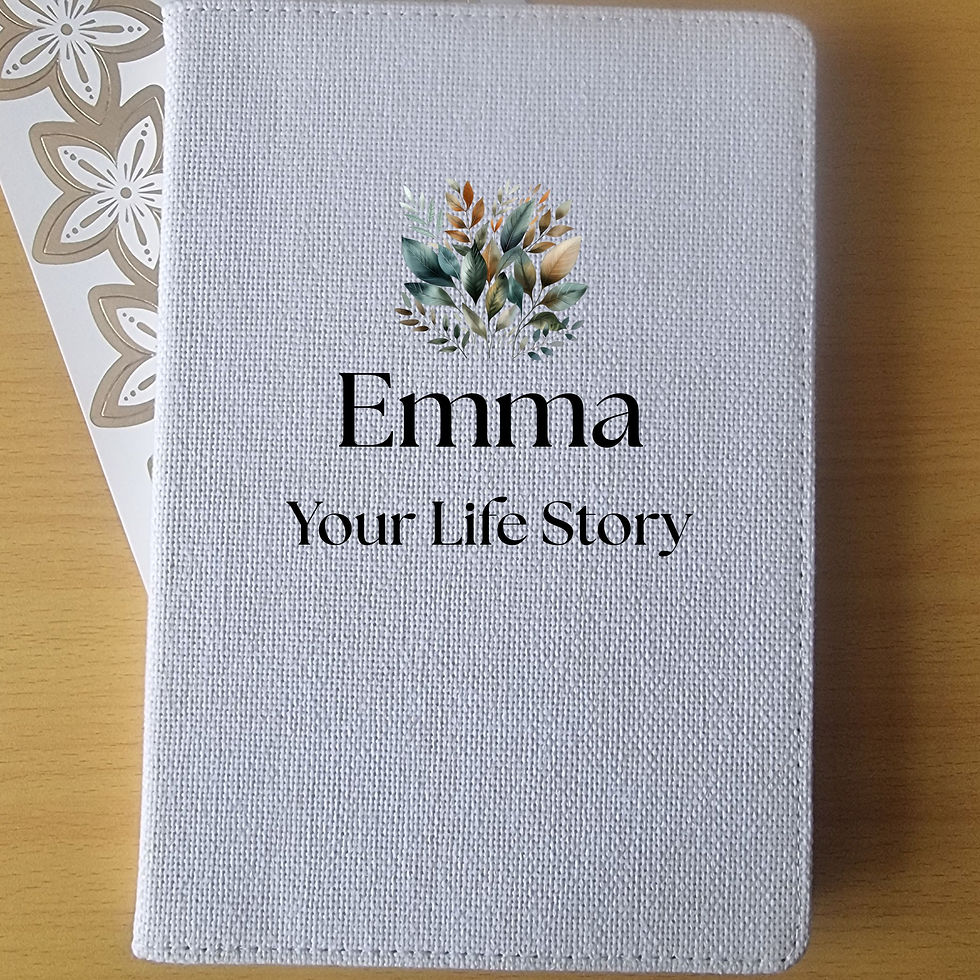
There Is No Right Way to Journal
One of the biggest misconceptions about journalling is that there is a specific way it should be done. There isn’t.
For some people, journalling is writing freely about their thoughts and feelings.
For others, it might be:
answering reflective questions
exploring memories and experiences
using creativity through drawings, colours or mind maps
writing down ideas and goals
capturing moments they want to remember
Your journal should reflect you. Journalling gives you the space to explore your life story, understand the experiences that have shaped you and start creating the next chapter in a way that feels right for you.
Start Where You Are
A common mistake when starting something new is expecting too much from ourselves.
“I’m going to journal every day for 30 minutes.”Then life gets busy, routines change and the journal ends up sitting untouched.
Journalling does not need to take hours. Sometimes a few minutes and one honest question can be enough.
What has been on my mind today?
How am I really feeling?
What do I need right now?
Small moments of reflection can help us notice things we often miss when we are constantly moving.
The Importance of Being Honest With Yourself
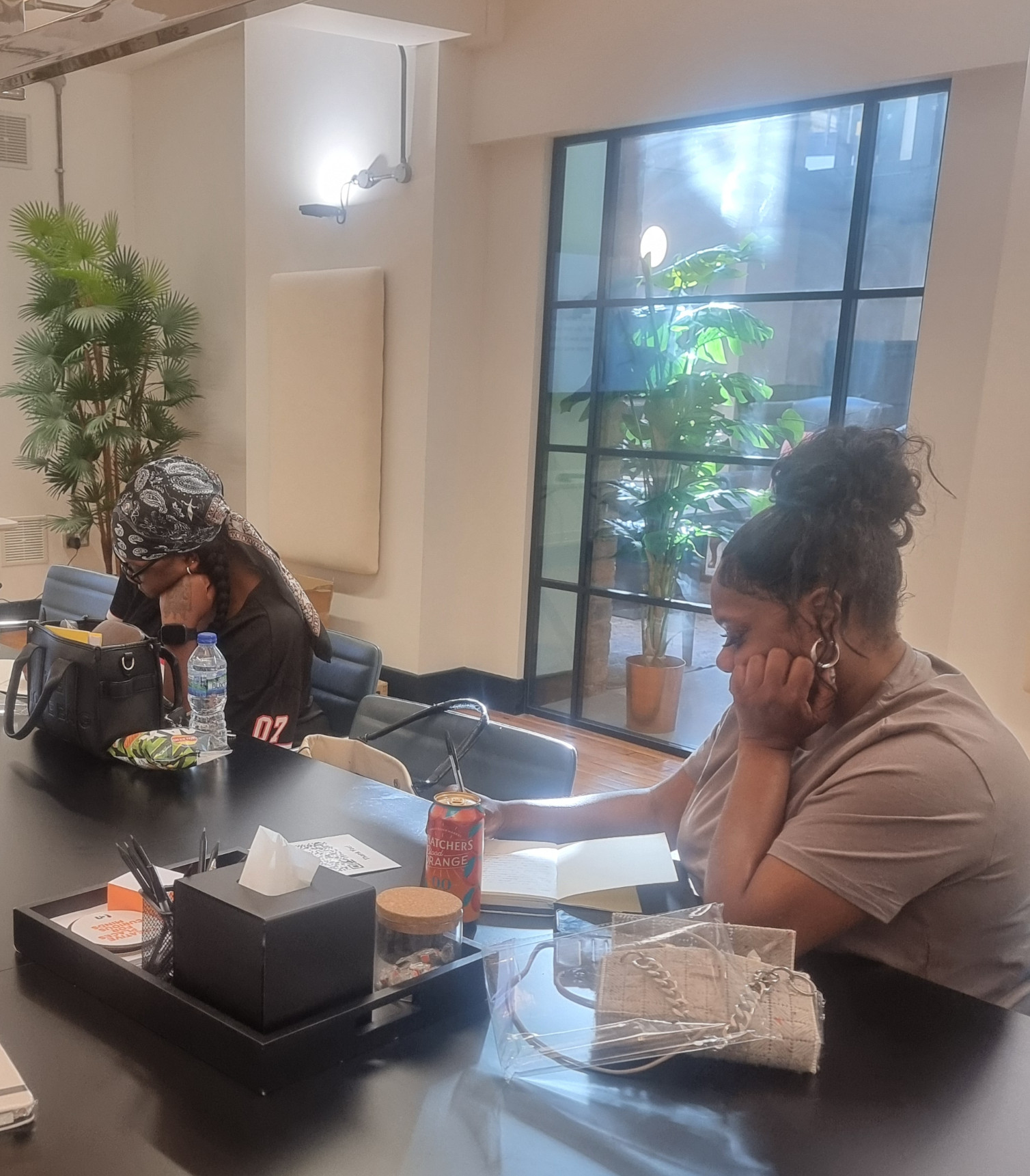
A journal is a place where you can be truthful. It does not have to be positive all the time. It does not have to contain all the answers. Some of the most powerful reflections come from exploring the things we find difficult.
What keeps coming up for me?
What am I finding challenging?
What am I avoiding?
What support do I need?
What is one small step I can take?
Journalling is about creating a deeper understanding of yourself. It allows you to explore your experiences, recognise patterns, celebrate your growth and become more intentional about the next chapter of your story.
Moving From Reflection to Change
For me, journalling became powerful because it helped me move beyond simply thinking about my experiences. It helped me understand them.
My CREATE Framework is a useful way to approach journalling and forms the foundation of what you will experience within my programmes. It provides a guided pathway to help you explore your experiences, understand yourself on a deeper level and consider the small steps that can support your next chapter.
Context What is happening in my life right now?
Reflect How is this affecting me?
Explore What can I learn from this?
Awareness What am I noticing about myself?
Togetherness Who or what can support me?
Evolve What small step can I take moving forward?
Journalling becomes more than writing thoughts onto paper. It becomes a tool to help you understand your story, recognise your strengths and begin creating the next chapter.

Your Story Is Still Being Written
Life does not always go how we imagined. There are moments that challenge us, moments that change us and moments where we need to pause and reconnect with ourselves. Journalling gives us that space. It allows us to reflect on where we have been, understand where we are and think about where we want to go. Your journal is your story.
You are the person holding the pen. And the next chapter is still waiting to be written.
If you'd like to start your journalling journey with me, there are several ways we can work together.
My self-help journals are a great place to begin. They give you the flexibility to work at your own pace, using reflective tools to help you explore your thoughts, experiences and next steps.
The CREATE Framework is available as a 6-week or 10-week programme, offering personalised one-to-one support alongside reflective activities. It is designed to help individuals explore their own stories, recognise their strengths and develop practical tools to support their wellbeing.
For organisations supporting people through life challenges, change, trauma, loss or personal development, the CREATE Framework provides a safe and structured approach that combines journalling, creativity, reflection and connection to support wellbeing.
Think of me as a wellbeing companion. I'm not here to lecture you or tell you what to do. I'm here to listen, ask thoughtful questions and provide gentle guidance as you work through your own experiences and discover your next steps.

Website: www.lifestorycoachbyjenni.co.uk


Comments